


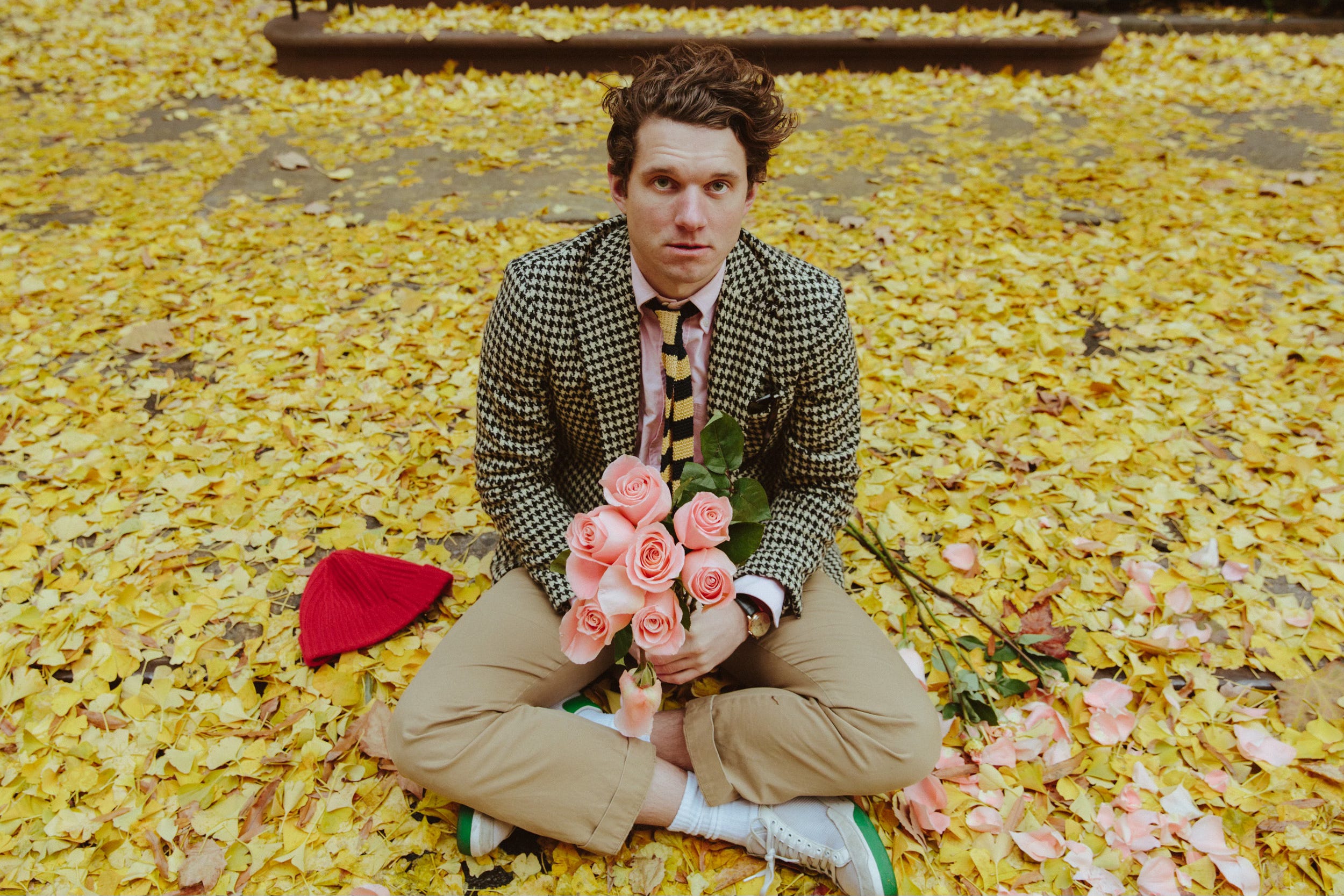
WHAT BEGAN AS A CUSTOMARY SUMMER BREAK at Dying Breed, threatened to snowball into that of the Indian variety. But alas, here we are, at the precipice of autumn. It doesn’t get much better than New York in the fall. The sharp chill in the air. Leaves of gold lining the streets like post-parade confetti. The jazz quartets in the park.
Jazz never feels better than in Manhattan in autumn. Cue up Stan Getz with his tenor saxophone. Or Gerry Mulligan on the piano (Night Lights). Or Chet on the trumpet…and aimlessly wander the city in your oversized wool blazer and horsebit loafers. Pick up a coffee. Daydream. Light a cigarette (what the hell?). It’s New York after all!
If you’re new here, think of Dying Breed as a bi-monthly missive from your New Yorker cousin a little too into fashion, music, film, art, and books. The general idea being to turn you on to the motley of muses, influences, and references that inform the menswear label I design, F.E. Castleberry.
FILM FORUM
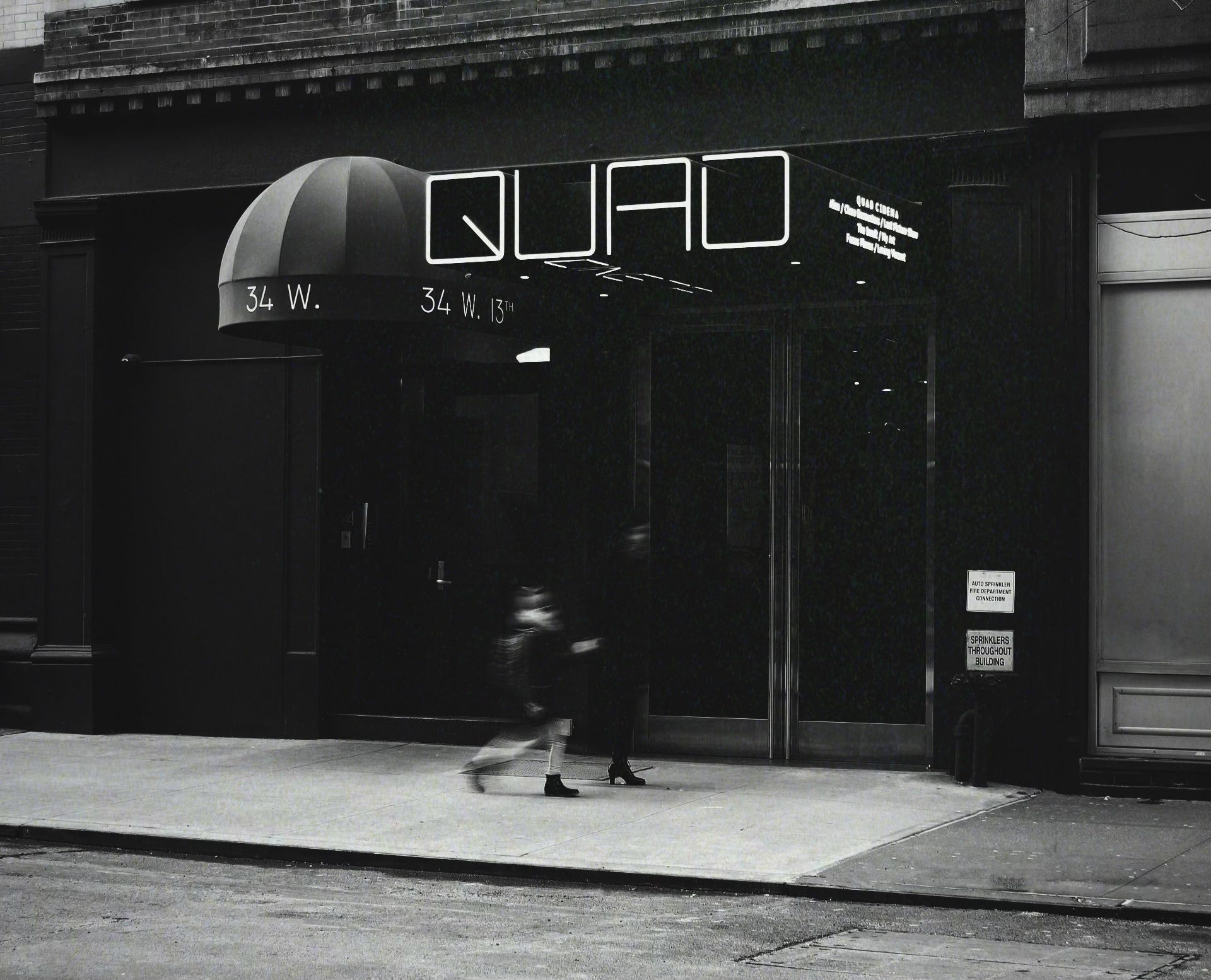
LAST WEEK, I DUCK INTO one of New York’s treasured independent theaters in Greenwich Village, Quad Cinema. It is now one of the oldest independent cinemas in the city, having opened in 1972, but you might not know it from its recent Pentagram facelift. It’s chic. Tucked away in the middle of a side street at 34 West 13th, the Quad is this small four-screen theater boasting a 50 foot long, sinuously curved, candy apple red concessions counter of the late 1970s Italian design ilk. The kids working the joint are total stoners. Long hair. Aloof. But courteous. It’s brilliant. The Quad is exactly what you want it to be. Andy Warhol used to come here. I like to think his ghost still lingers.
Film Forum is the corner of Dying Breed for film recommendations (or in today’s case, independent movie theaters) I believe enrich the lives of all of us geeks, freaks, and aesthetes. Important films…not only to culture but to F.E. Castleberry especially.
On a Saturday night at 7:11pm, I am one of seventeen in a viewing room with 81 seats. Yes, I’m here by myself and I have no stigmas about it——mostly because my girlfriend is out of town this weekend and my two cinephile friends haven’t replied to my last minute texts——it’s actually one of those activities perfectly suited to doing alone. It’s dark. There’s no talking for 120 minutes. And your attention is completely directed at the screen. Anyways, I digress. Seated directly behind me is this darling septuagenarian couple, or maybe they’re in their 80s. The gentleman is in a wide wale corduroy sport coat, dad jeans, and grey 999 New Balance sneakers—a look Jerry Seinfeld pioneered in the 90s but went largely unappreciated until recently. We’re all here to see Saturday Night (a fantastic film by Jason Reitman, go see it in theaters). It is perhaps a modern masterpiece, but given how masterpieces work, we won’t really know until the passage of some 25 years of time. But Saturday Night feels like it could be one.
After the credits roll, I linger outside, taking in the brisk evening air. The old couple meanders out onto the sidewalk, take a beat as if they’re unsure of which way is home…then head west. I watch as they head toward the 6th avenue. Not even 50 feet from the theater entrance, they stop and begin making out. I smile. And then I laugh to myself. Rascals. You don’t get that streaming Netflix from your couch.
The independent movie theater is the closest contraption we have to a time machine. I have had the privilege and pleasure of experiencing some of my favorite films of all time on the big screen long after their initial theatrical release. The Royal Tenenbaums, when it played at the Lower East Side’s Metrograph theater some seven years ago, I watched twice. I’m telling you, it is a completely different film in a sold out room with other Tenenbaums lovers. You watch differently on the big screen. You laugh differently. It’s magical. I may have cried at one point.
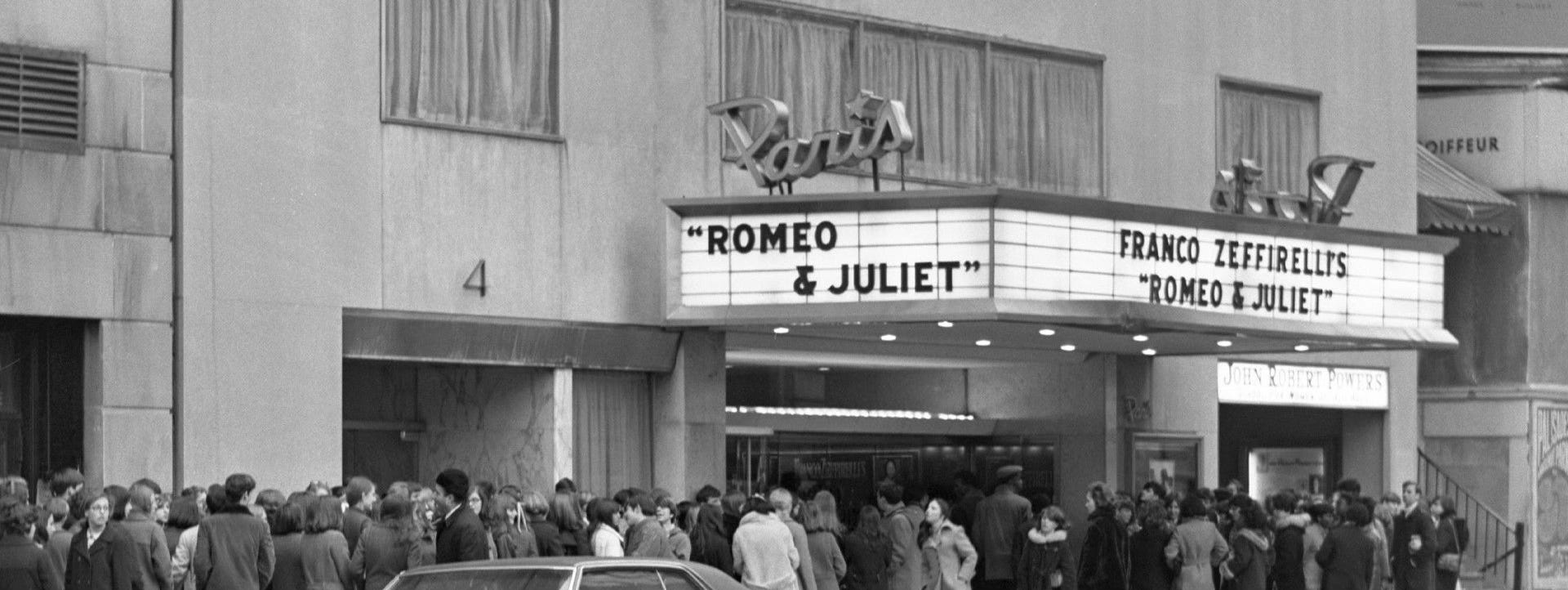
I took my sons to see Rushmore at the IFC Center in the West Village. And then there’s the Paris Theater tucked between Bergdorf Goodman and The Plaza Hotel on West 58th Street. The landmark theater, with its single screen and 535 seats, is the epitome of arthouse cinema elegance in its distinctive Arte Moderne style. Watching director Sidney Lumet’s 1976 film Network is a particular highlight, the Writers Guilds of America having voted the screenplay one of the ten greatest in history. When you visit New York, shoehorn “time travel” in between an afternoon at MoMA and dinner at Le Veau d’Or.
CRATE DIGGING
ONE OF MY FAVORITE JAZZ ALBUMS was recorded in 1964 by Stan Getz and Brazilian singer and guitarist João Gilberto. It is a masterpiece…pulsing with restraint. Complete. Comprehensive. It was an immediate sensation. The 34 minutes of bossa nova on Getz/Gilberto spent 96 weeks on the charts and garnered the pair an armload of Grammys.
Crate Digging is about discovering old music. The classics. The obscure. The looked over. The uncut gem. The minor masterworks. It’s a liberal arts audit of the music that scores the world of F.E. Castleberry. Grunge. Blues. Punk. Post Punk. Alternative. Classical. Rock. Afrobeat. Jazz…especially jazz.
Certainly listen to the landmark recording Getz/Gilberto featuring pianist and composer Antônio Carlos Jobim, who also composed many of the tracks. But we don’t read Dying Breed for the blatantly obvious. It’s the Getz/Gilberto ‘76 live album recorded twelve years later at Keystone Korner in San Francisco that’s the uncut gem. This is the one you get on vinyl.

The vinyl album cover prominently features the artwork of Puerto Rican artist Olga Albizu, an abstract expressionist plastic artist.
Sidebar: Of Albizu’s relationship to bossa nova, the art critic and historian Susan Noye Platt wrote:
There is a controlled and subtle sensuality to her [Albizu's] work, that speaks of hidden layers of emotion, rather than letting everything appear on the surface to be consumed. In the case of Albizu, the connection to music, and particularly bossa nova, as well as her exposure to Hans Hofmann's ideas of "push and pull", allows for the work to exist without other reference points. The colors do indeed move like large full sounds, a connection that takes us all the way back to Kandinsky.
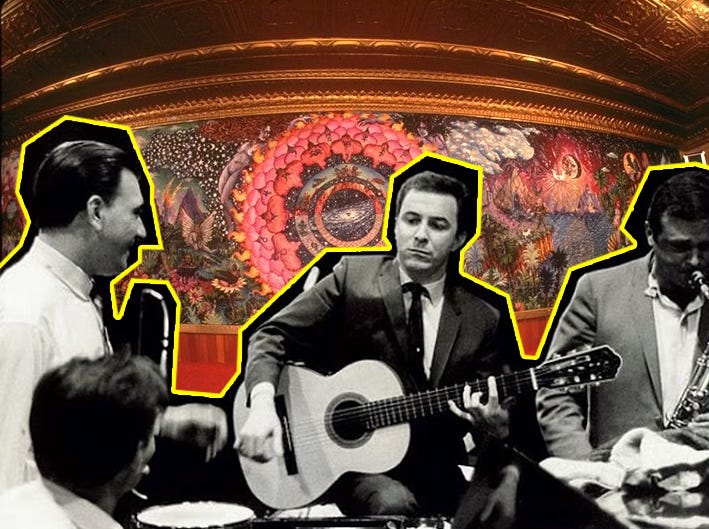
Accompanying himself on nylon-stringed guitar with (and without) Getz's quartet, Gilberto reshapes samba classics into perfect pearls of rhythmic subtlety while singing in a throaty, attention-commanding murmur. There’s something spellbinding about Gilberto’s intensity when facing a live audience, close-up. Although half the tracks on this brilliantly intimate live album feature breathy and lyrical saxophone solos from Getz, this is Gilberto’s album. The crown jewel being not any particular song but the profound introduction Getz bestows upon Gilberto that plays more like a panegyric before the two begin their set:
João Gilberto, to my mind, is the most individual singer of our time. A true…originator. His curious ability to sing warmly without a vibrato, his impeccable and inimitable rhythmic sense. His intimacy. All coupled to his wonderful guitar work, make him unique.
That a performer, so gifted—one of the true greats in music—should be so hesitant about public appearance…is just one of those mysteries. But he’s here…he’s here, this week. Ladies and gentlemen…João Gilberto!
Drop the needle, light a jazz cigarette, and close your eyes…you just might be whisked away to the long since shuttered Keystone Korner for an evening; João Gilberto’s half-whispered Portuguese lyrics incandescently drifting in mid-air like burning Chinese lanterns.
Indian summer is over baby