


FILM FORUM
I LOVE FILM. Yeah, I used the “f” word. I know it sounds pretentious, forgive me, actually—no, I’m not sorry…it’s necessary. Movies are a business. Film is a medium. Film is art.
Film Forum is the corner of Dying Breed for film recommendations I believe enrich the lives of all of us geeks, freaks, and aesthetes. Important films…not only to culture but to F.E. Castleberry especially.
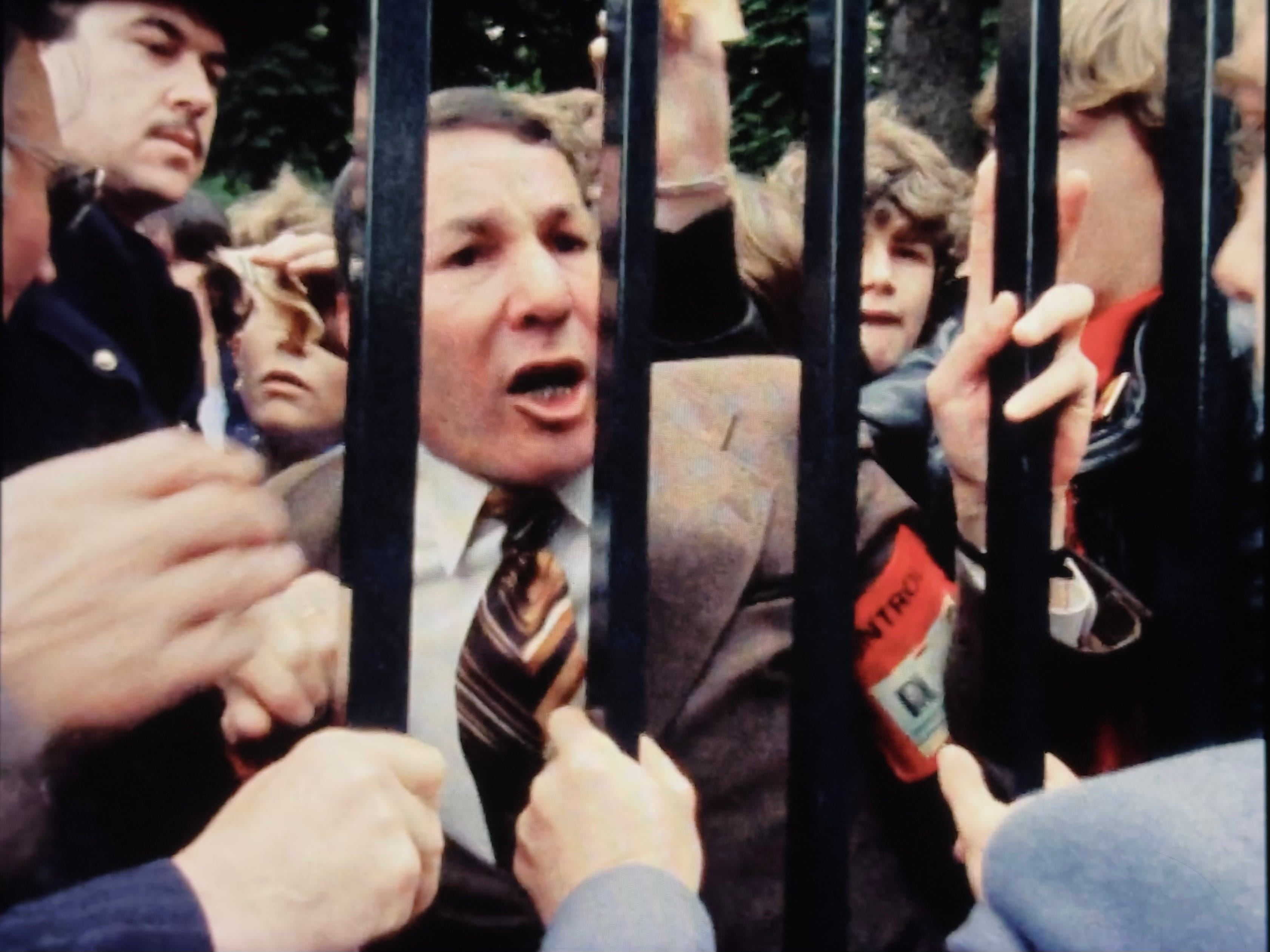
“They’re like animals!”
An executive at the gates of Roland Garros warns his deputy as spectators push and shove to get back into the clay court grounds following a rain delay. He’s in a grey three piece suit, pale blue shirt, and beige tie. The crowd, waving stubs in the air and faces of ticket agents, is effortlessly chic in a style that can only be described as very Parisian. Tailoring. Trench coats. Lacoste. Adidas sportswear in primary colors…all come barreling back through the gates in order to catch John McEnroe.
This is Roland Garros…or more commonly referred to as The French.

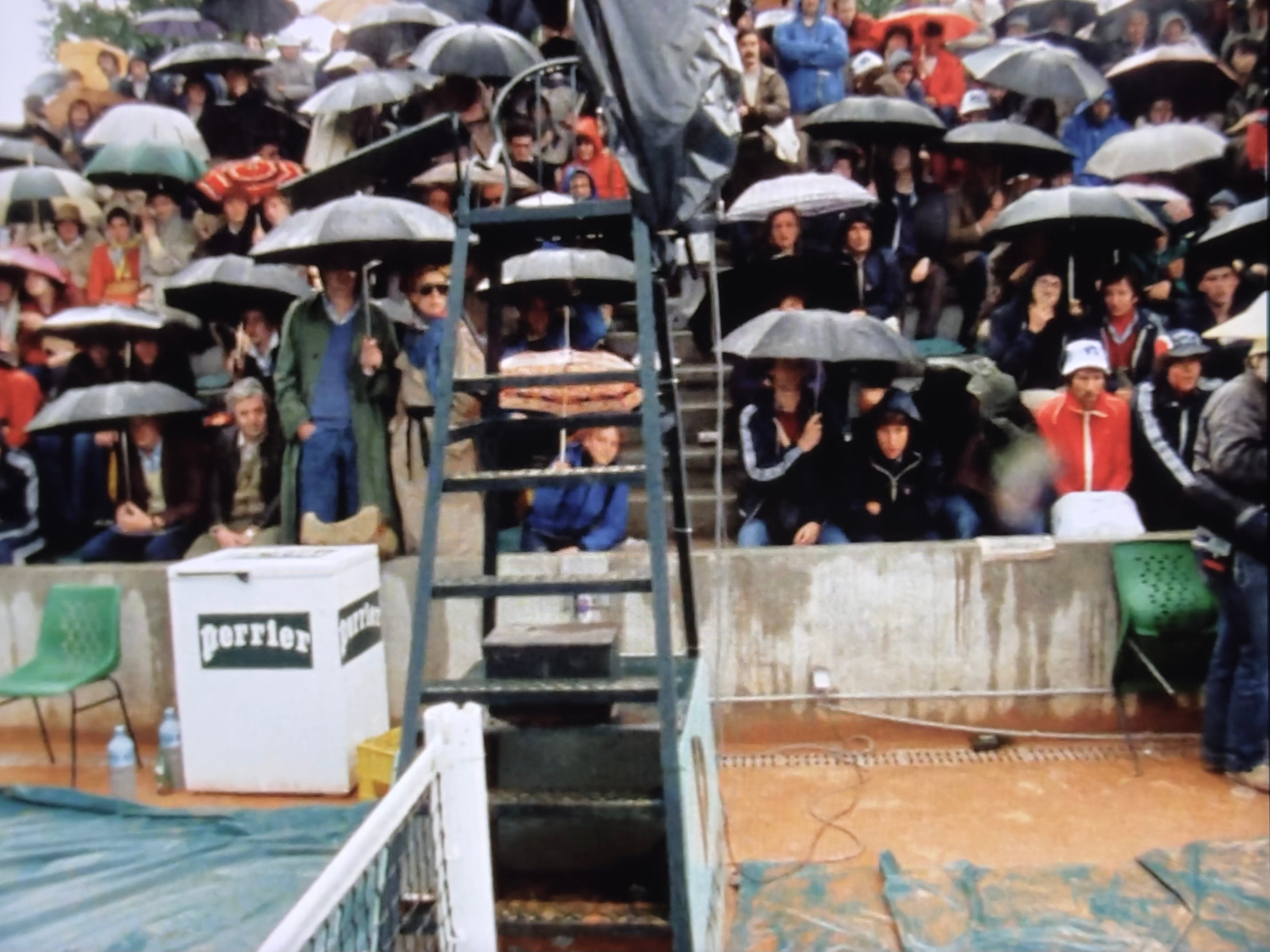
It’s 1981. Paris, France. William Klein, the American-born French artist and visionary filmmaker known for his sociopolitical documentary films and feature films, has wriggled himself into every corner of Roland Garros Stadium. Court side. The training room. The locker rooms. The announcer’s booth. Player’s boxes. A private birthday celebration. The intimacy and access granted Klein is unprecedented…alarming by today’s standards. There is a moment when Yannick Noah is receiving a massage post match in nothing but a jock strap. Klein’s lens encountered almost no boundary as he and his three cameramen had their run of the grounds.
“For me, this film encapsulates everything I loved and love about the tennis of that moment; and in the hands of the great and singular William Klein, it is at once a gripping sports page, a fascinating piece of reportage, and a work of art.”
—Wes Anderson
This is what makes The French so special—the sheer intimacy of the entire affair. Klein’s critical yet affectionate look at the quirks and complexities of French life is easily his masterpiece (the cinematic influence on Woody Allen and Wes Anderson alone is significant). Each aspect of the tournament is observed in a seemingly unassuming and desultory manner as the film proceeds joyously and with ardent curiosity through a succession of 14 loosely formed chapters—demarcated by an eclectic range of music and Fujifilm primary-color blocks that are as Godardian as they are emblematic of the French tricolor flag. Moving chronologically through the stages of the Slam, The French begins with the preparations of the stadium and grounds—their adornment with flowers, the warm-up sessions, the charity events—and continues through to the women’s and men’s finals and the ceremonial hoisting of the trophies by the champions: the Czech player Hana Mandlíková and Swedish superstar and that edition’s poster-boy Björn Borg.
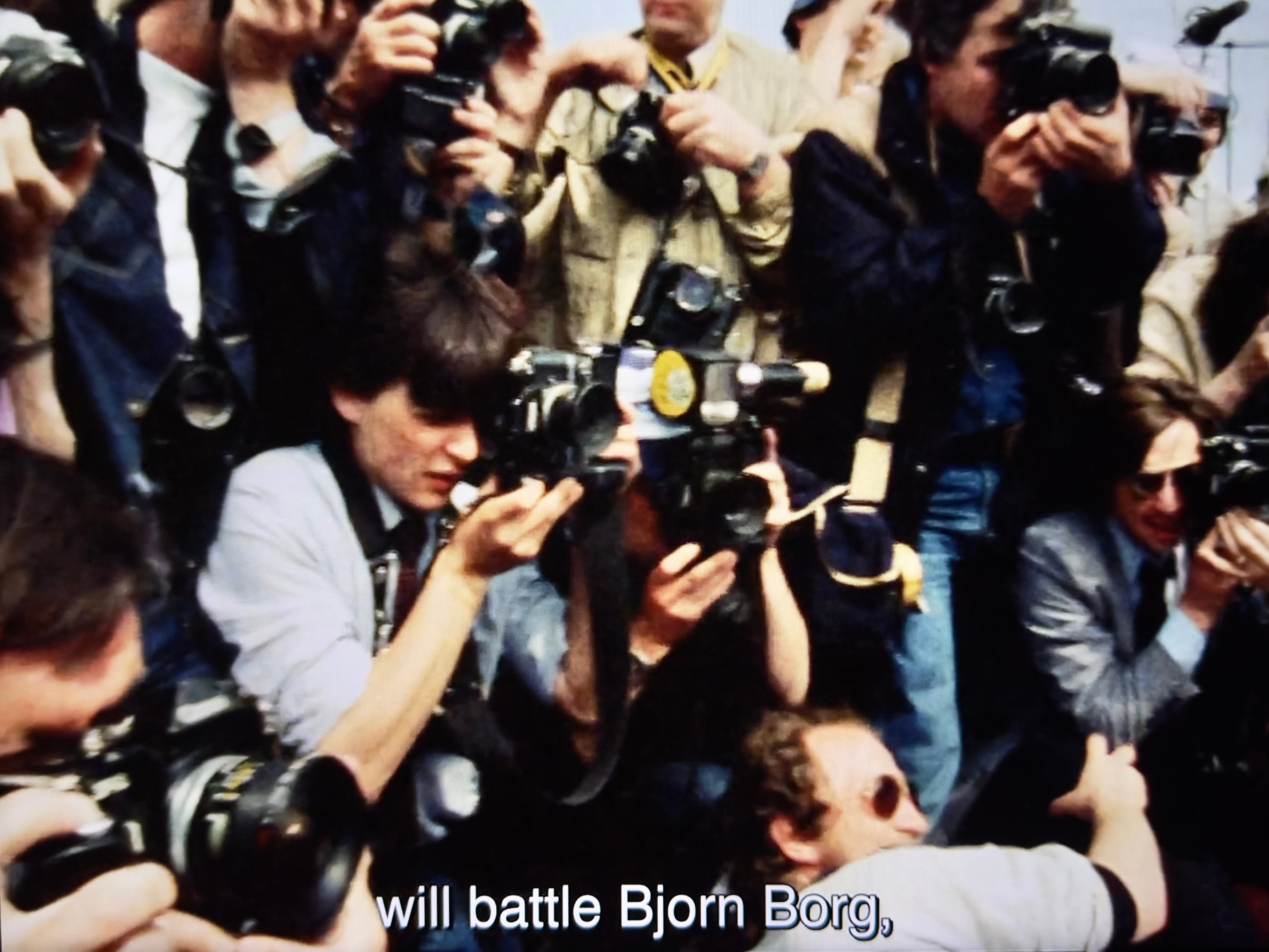

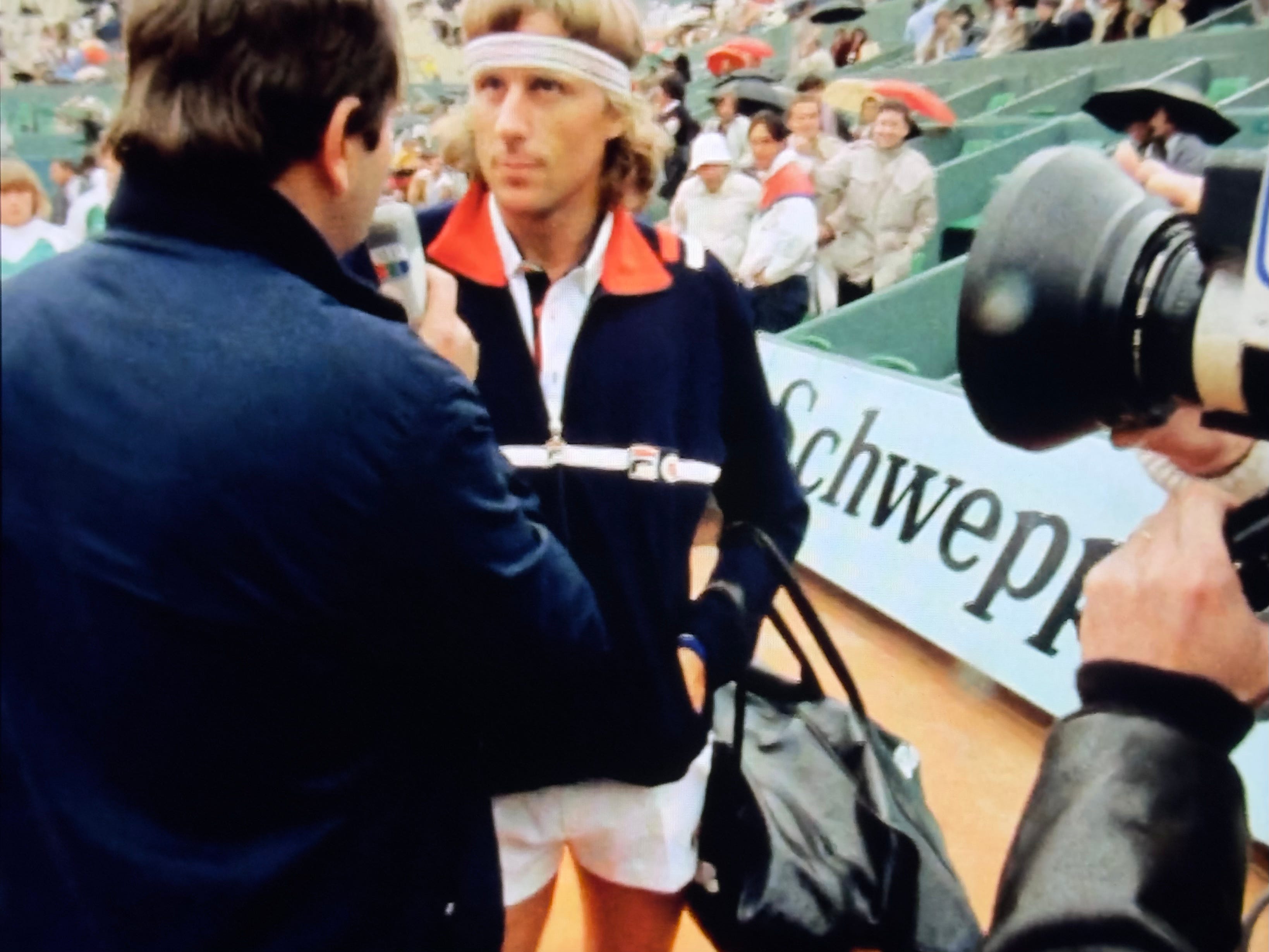
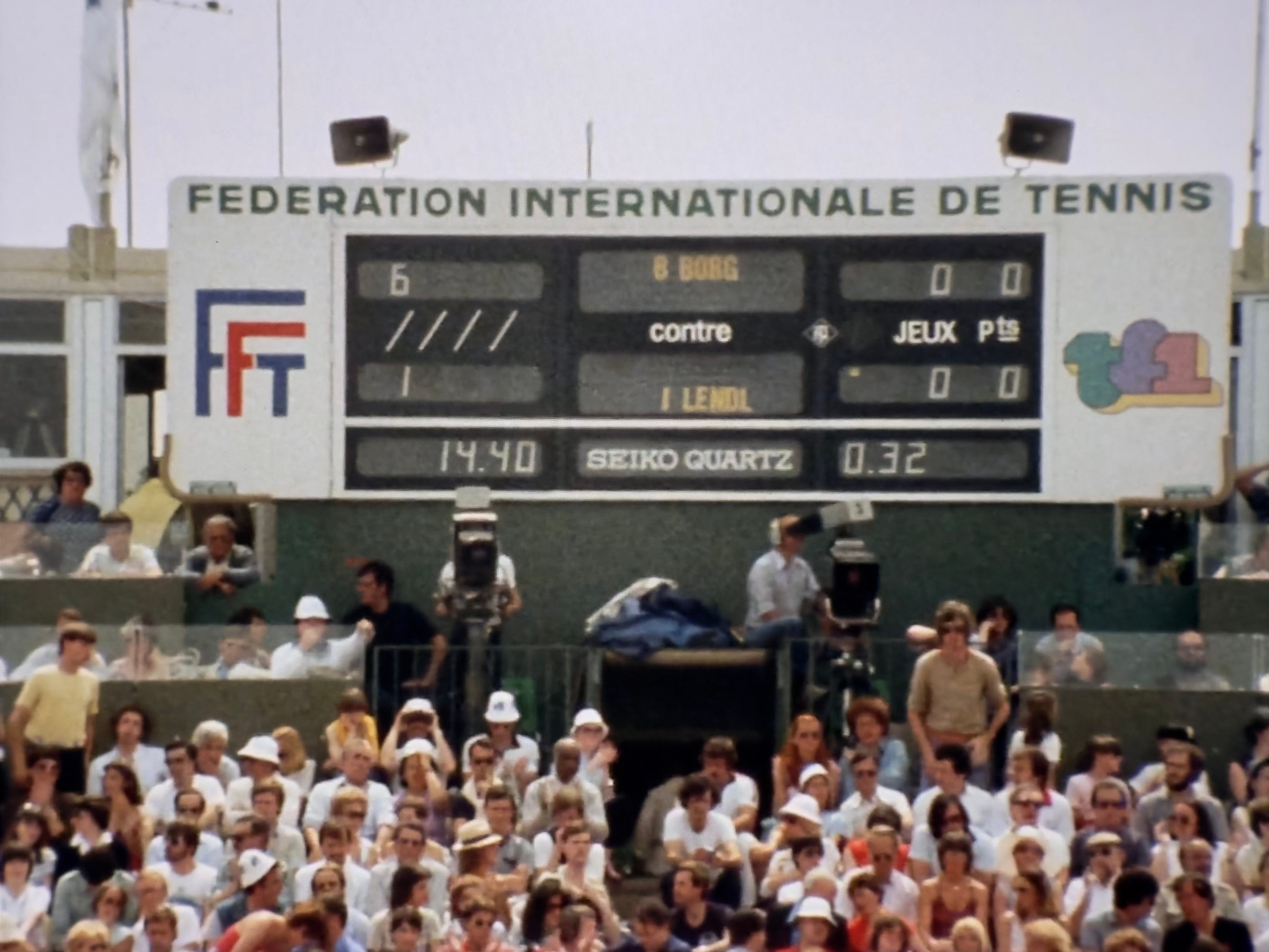
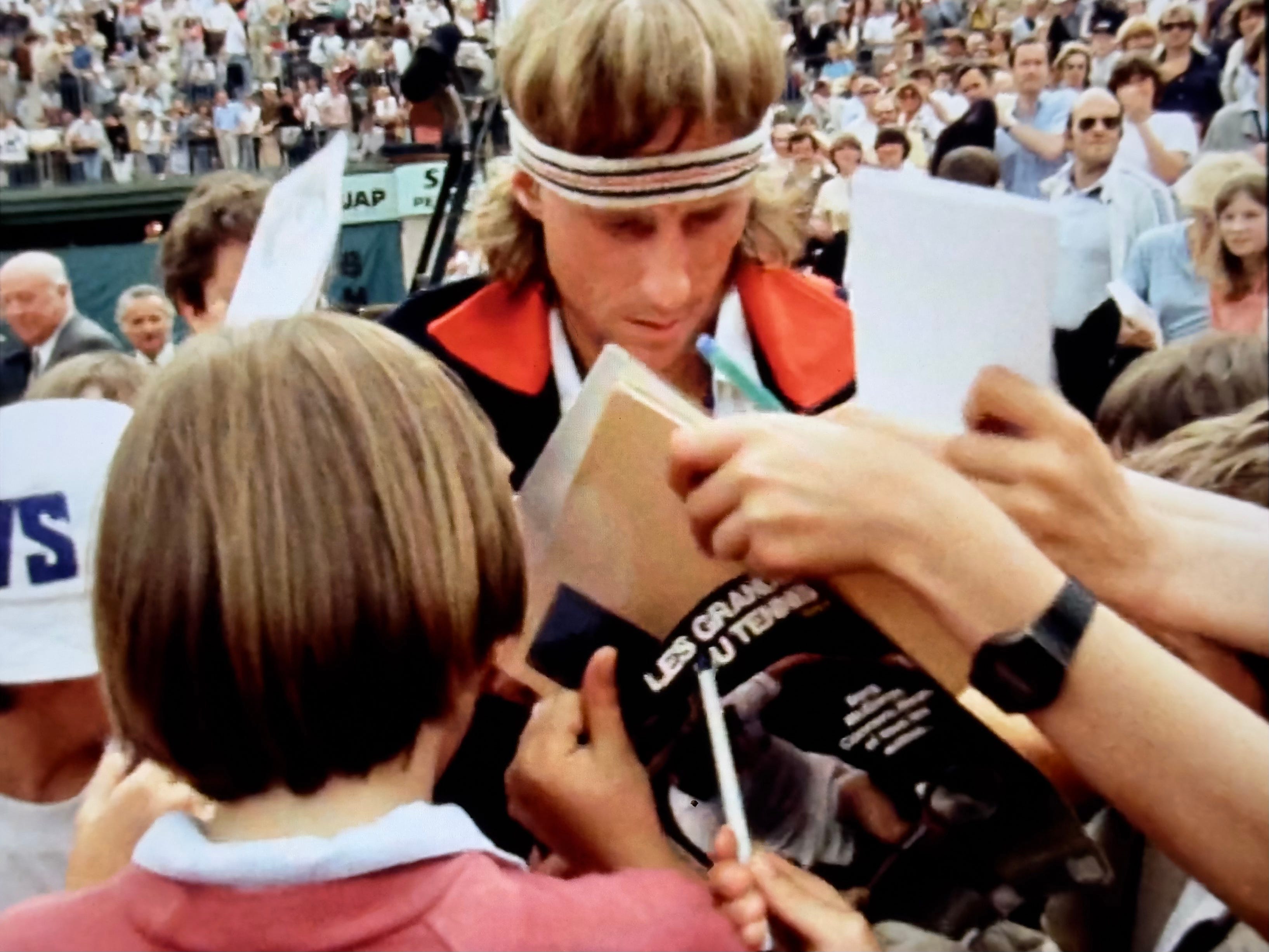
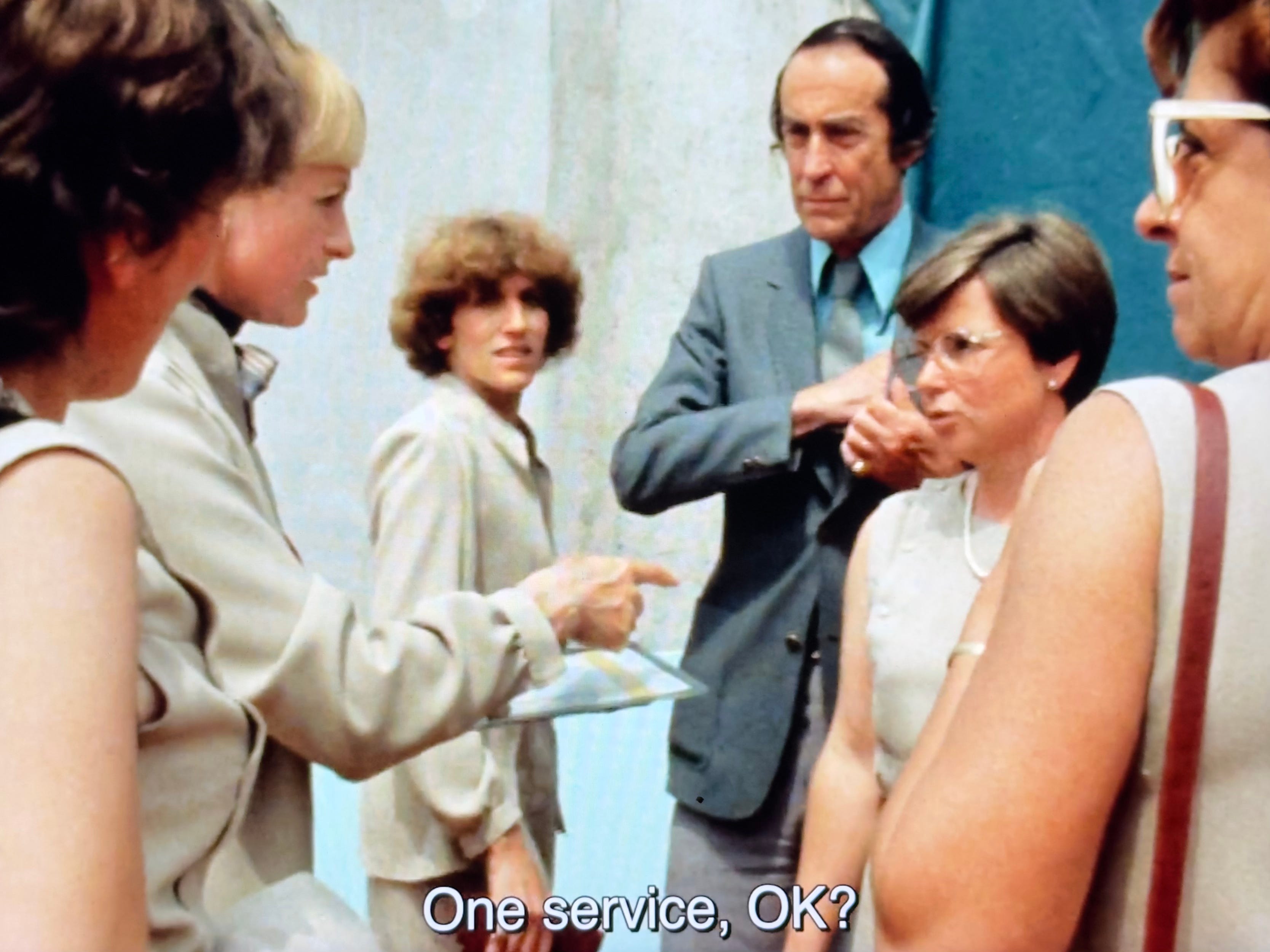


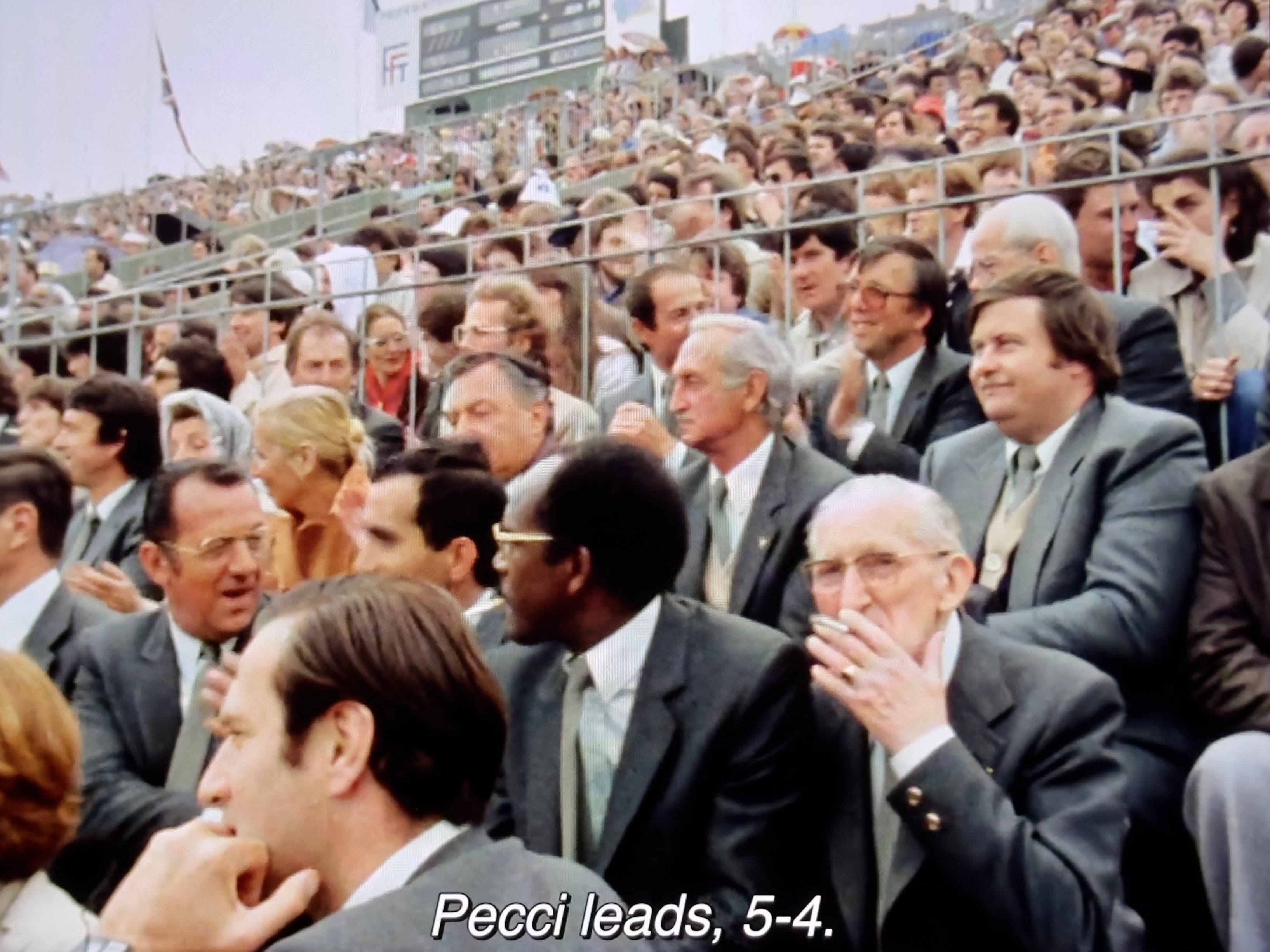
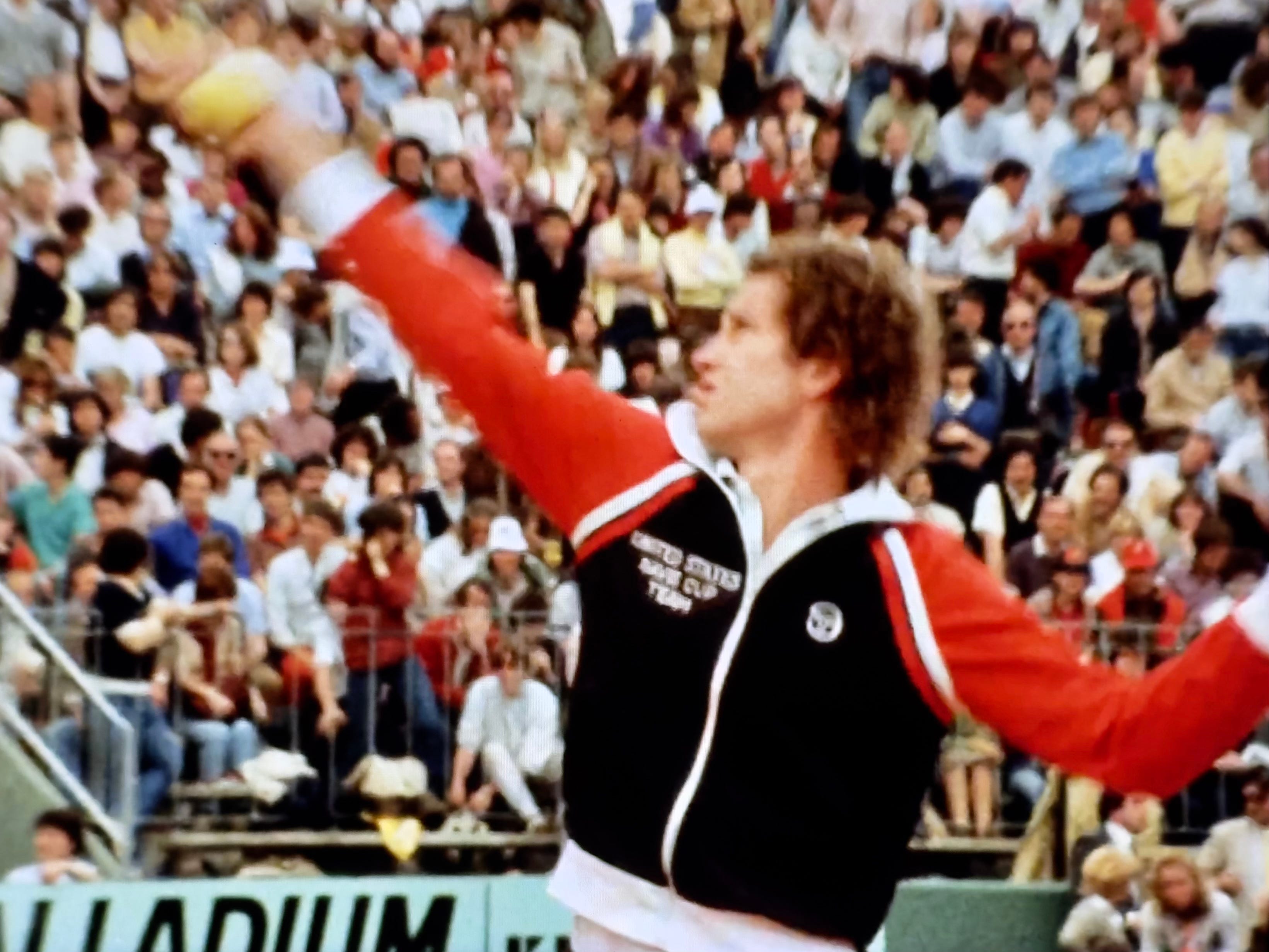
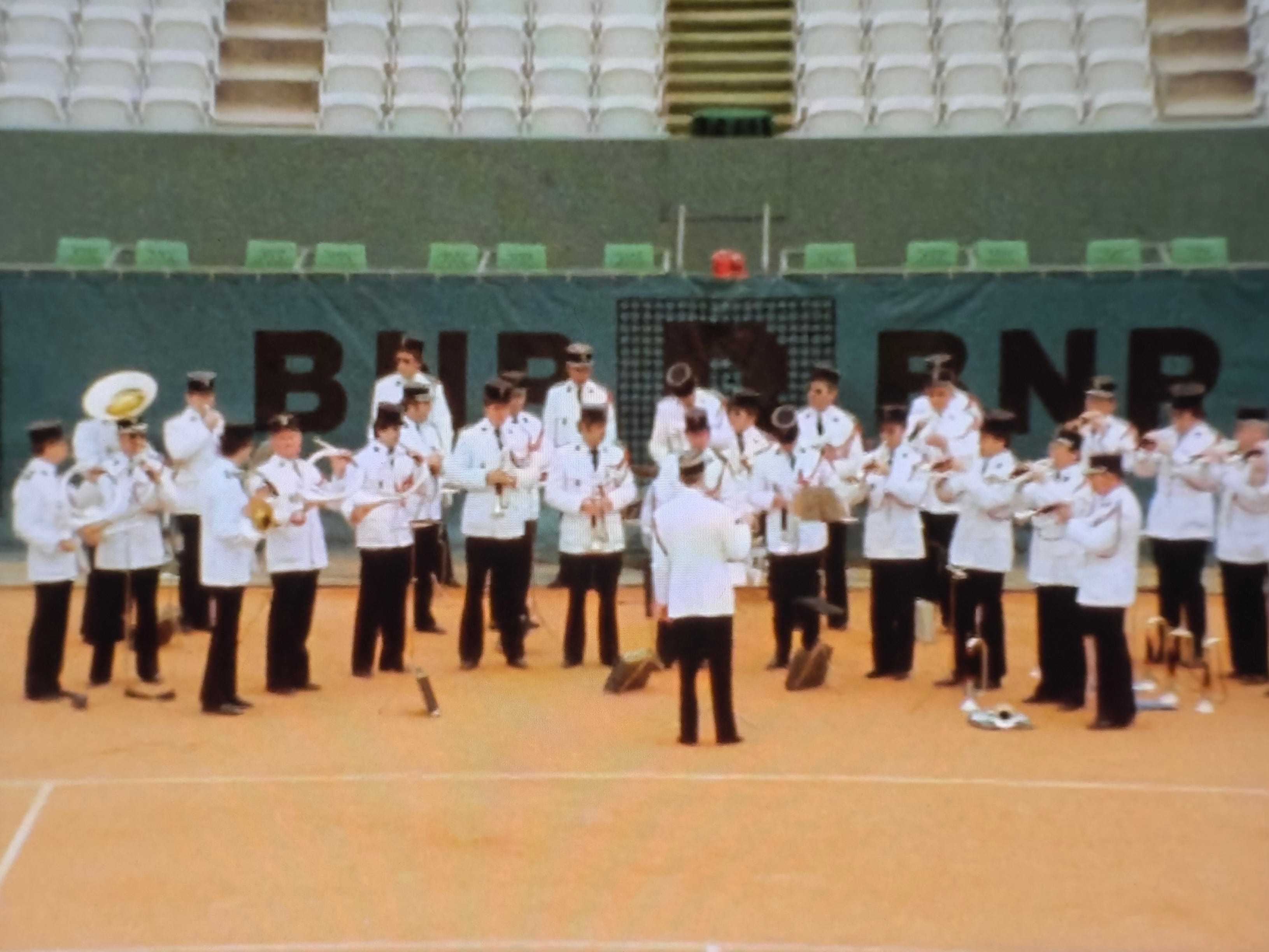
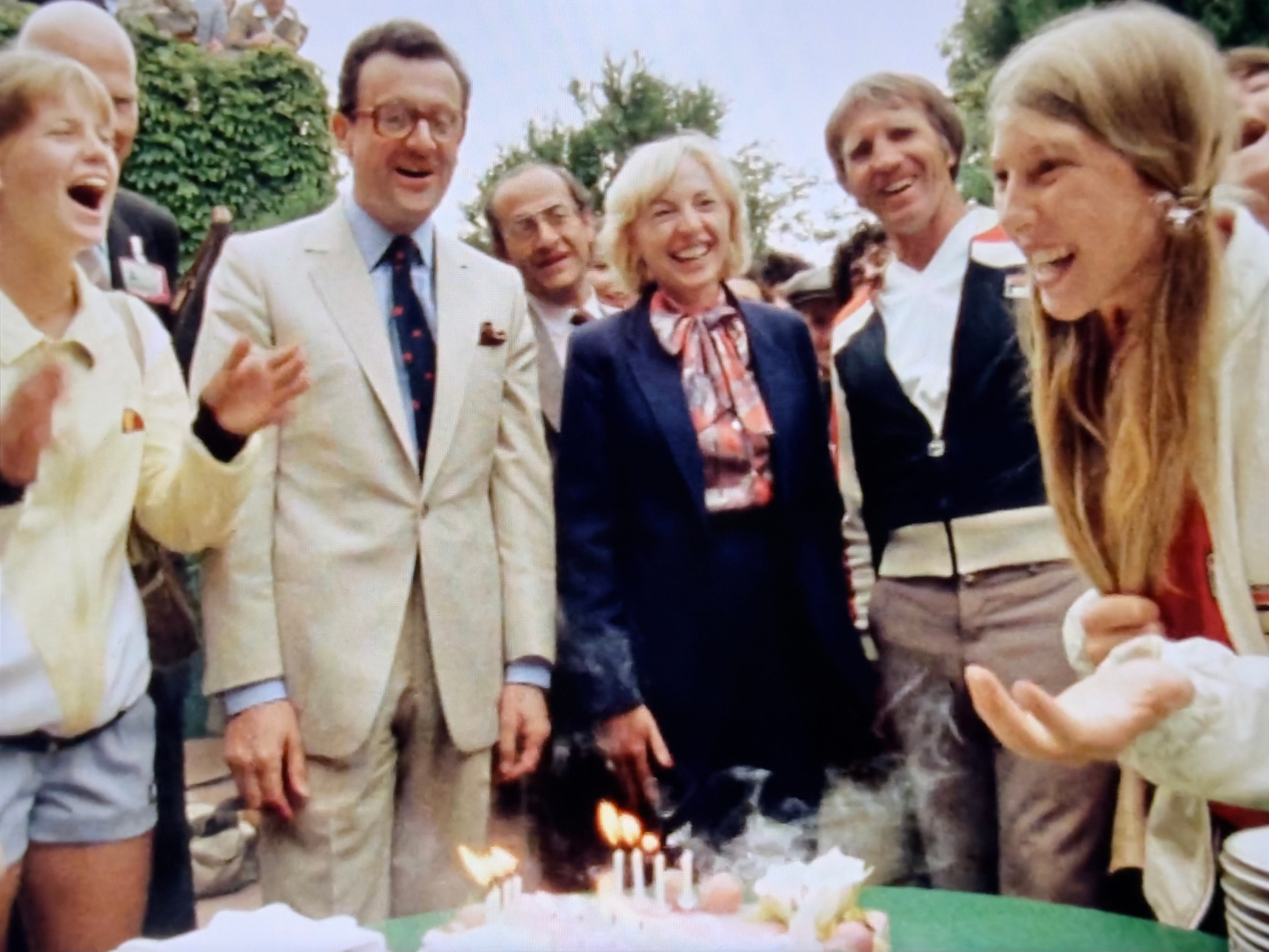
It is this poster (pictured second above), as a lithographic print by the artist Eduardo Arroyo, that hangs in my New York shop—an illustration of tournament favorite Bjorn Borg, from behind. The back of his head crowned with his iconic red, white, and blue striped headband over flowing orange Viking-length hair.
Tennis is a minor but significant influence on my sartorial vocabulary. Specifically Bjorn Borg and John McEnroe. More specifically, Bjorn Borg versus John McEnroe. Nobody had more off-court style than these two. They possessed a keen understanding of the match being played outside the lines. Fashion was a form of gamesmanship for these two rivals and on this clay on this day, it’s Borg who takes the Musketeers’ cup.
Klein foregoes voiceover commentary, relying instead on sly dialectical editing and name placards. Borg and McEnroe are featured but it’s the Roland Garros milieu that is the star. Adidas, Fila, and Sergio Tachini warm ups along with fine tailoring provide a masterclass of French dressing…the fashion alone is worth the price of admission (currently streaming on The Metrograph website for $5.00).

BOOK CLUB
Before former fiction editor of The New Yorker, Bill Buford, gave up his day job to study cooking at L’Institut Bocuse, possibly the world’s most elite cookery school (recounted in his book Dirt), or slaved in the kitchen of Mario Batali’s Babbo kitchen (detailed in his book Heat), Buford was an English hooligan. For eight years to be exact. In the seminal Among the Thugs: The Experience, and the Seduction, of Crowd Violence, he naively plunges head first into a firm of young lower class football supporters as they travel around the world to follow their team, Manchester United…all the while exploring sociological concepts of the mob mentality and the anger of youth. What follows is just simply wild.
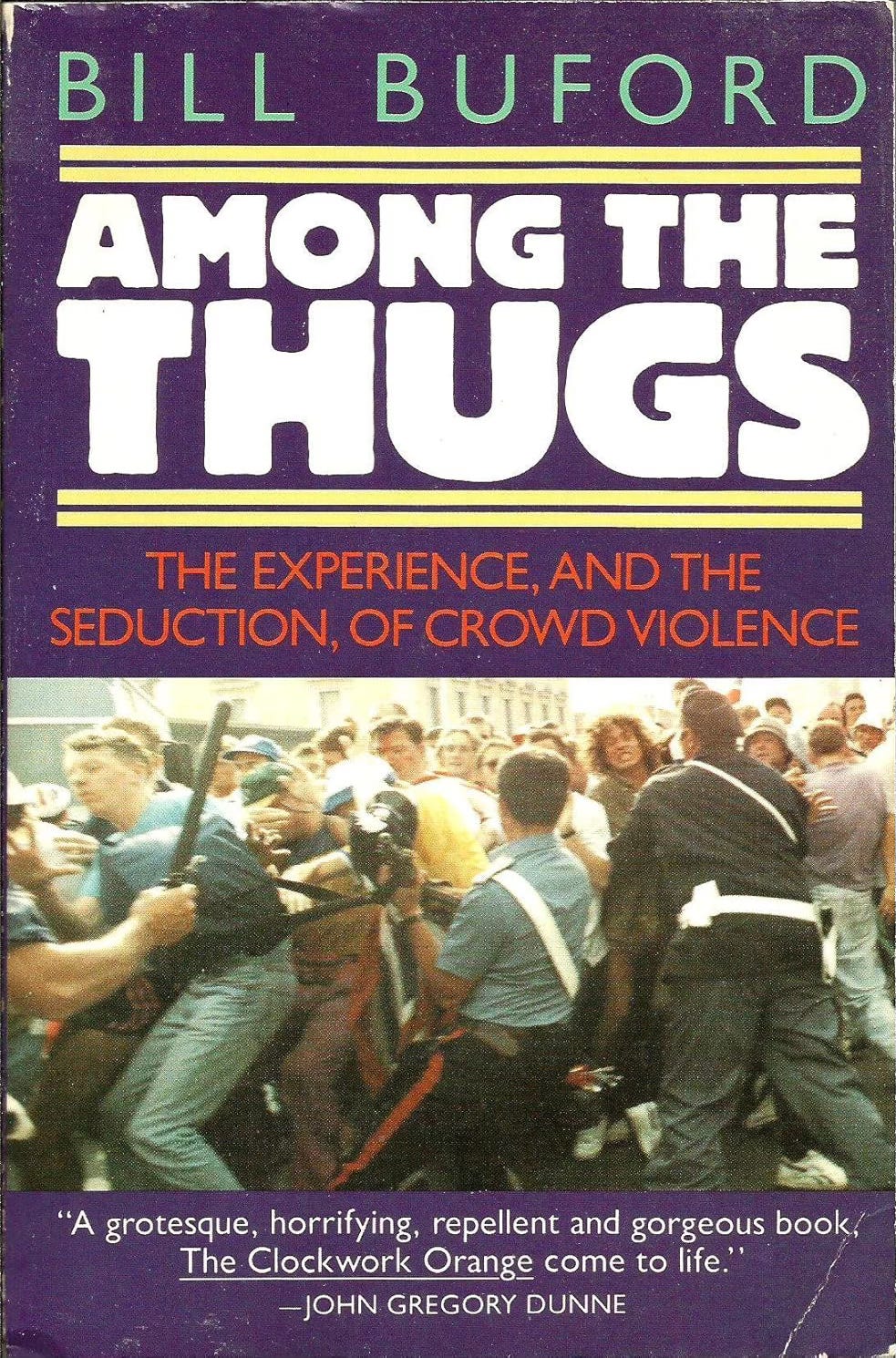
Set in the 1980s, Among the Thugs is an enthralling account of the last days of hooliganism in English football. Buford is known for a style—more of a literary movement—he coined “dirty realism.” The emphasis here being placed on dirty. While he starts as an outsider, an American living in London for many years without ever attending a football match, Buford soon participates in a number of soccer riots, attends a white power party in a pub in England, and befriends thugs with names like Barmy Bernie, Daft Donald, and Steamin' Sammy. His description of how the sound of glass breaking animates a crowd and lends an aural stimulant to escalate violence is incredibly evocative.
In the 90th minute, at the moment when defeat appeared inevitable, Celtics scored another goal. Again, could I have appreciated the significance? Rangers and Celtics. Protestant and Catholic. The cup final. And Celtic had tied in the last minute of normal time. It was the second time that the police had to unlock the gates. Once again, there were injuries. So many that there were not enough stretchers. Several people were taken off on folding metal chairs. The back of the chair held by one policeman, the legs by another. The injured supporter flopped over it. Head dangling dangerously. Others were placed on the advertising placards that encircled the pitch. One casualty disappeared atop a promotion for Marlboro Lights. The police returned to their positions at the bottom of the aisles, the gates were locked.
NOTHING LIKE THIS happens in any other sporting event…anywhere.
Buford didn’t conduct formal interviews with the hooligans as much as he simply befriended them. He didn’t talk with them as much as he conversed with them. He more than observed their behavior—he participated in it. He drank with them. He smoked with them. He traveled with them. He ate with them. He, for the most part, became one of them (save for the one small caveat that Buford never committed any acts of violence, just observed them, which included him getting his ass handed to him by a police officer). And he’s funny. Especially if you allow him to read it to you himself in the audiobook.
At the time of its 1990 publication, Among the Thugs was a timely and urgently relevant work. The media was having a heyday with English football supporters. Cities were vandalized beyond belief by the supporters. There were deaths due to crowd violence inside and outside of football stadiums (96 youths at a Nottingham Forest versus Liverpool match, famously in 1989). In short, football hooliganism was a societal problem and the journalist in Buford wanted to investigate. On page 217 lays the heart of what he attempts to get at…
I had not expected the violence to be so pleasurable….This is, if you like, the answer to the hundred-dollar question: why do young males riot every Saturday? They do it for the same reason that another generation drank too much, or smoked dope, or took hallucinogenic drugs, or behaved badly or rebelliously. Violence is their antisocial kick, their mind-altering experience, an adrenaline-induced euphoria that might be all the more powerful because it is generated by the body itself, with, I was convinced, many of the same addictive qualities that characterize synthetically-produced drugs.
What Hunter S. Thompson did for the Hell’s Angels, Bill Buford achieves for the English Hooligan in this wild and strange time capsule of a sub-culture now long extinct.
CRATE DIGGING
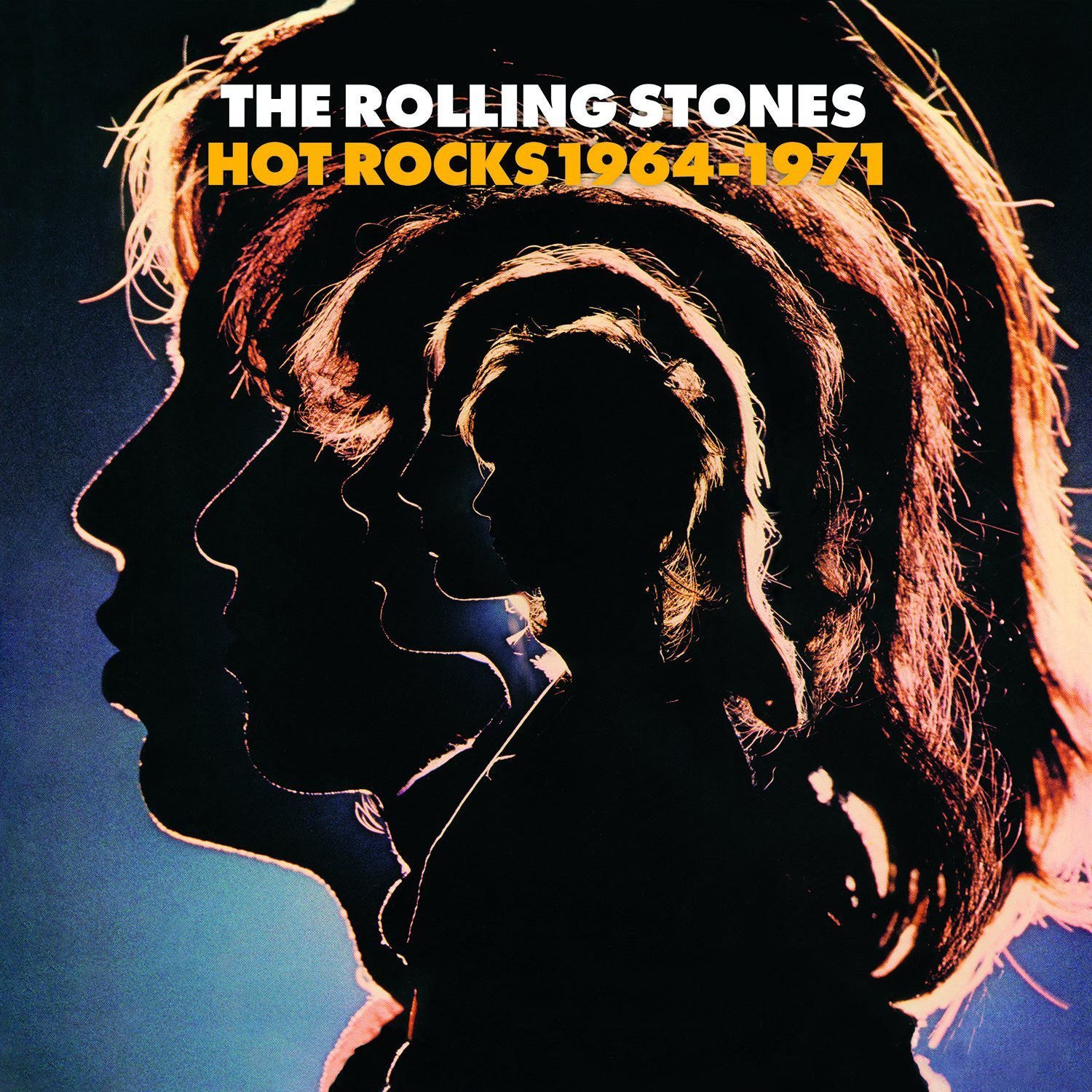
For the sake of brevity, there is arguably only one Stones album you need on vinyl: Hot Rocks 1964-1971.
BLASPHEMY???
Admittedly, Hot Rocks is a beautifully packaged, purely mercenary best of strung together by the Stones’ former record company as a cash grab in the name of the Mod Princes they once owned. But here…it worked. The compilation speaks for itself and is a near perfect encapsulation of their British invasion era. Truly a record you can drop the needle on and let play uninterrupted. “Under My Thumb”, “Play with Fire”, “Gimme Shelter”, and “Jumpin’ Jack Flash” are particular standouts.